
TMJ Treatment - Chicago, IL
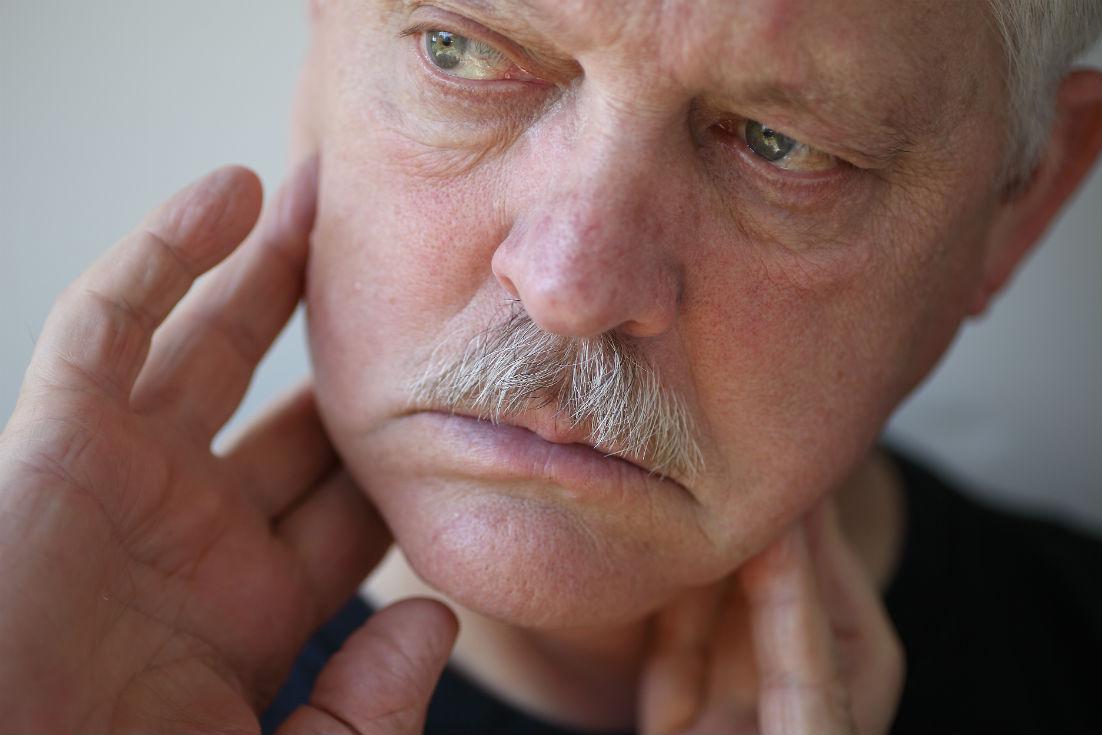
Do you wake up with a sore jaw or frequent headaches? Does your jaw click, pop, or lock when you eat or yawn? These are often the telltale signs of a temporomandibular joint (TMJ) disorder, a condition that affects millions of people but is frequently misunderstood or ignored. Living with chronic jaw pain can affect everything from your sleep quality to your ability to enjoy a meal. At Dental Smiles of West Loop, we believe you shouldn't have to live in discomfort. As a dedicated Chicago TMJ dentist, we offer specialized care designed to diagnose the root cause of your pain and provide lasting relief.
We understand that TMJ disorders (TMD) are complex and often multifaceted. Our team uses a comprehensive, patient-centered approach that combines advanced diagnostics with proven therapeutic techniques. We don't just treat symptoms; we work to restore harmony to your jaw, muscles, and bite, improving your overall quality of life.
Understanding TMJ Disorders
The temporomandibular joint is the hinge that connects your jaw to the temporal bones of your skull. It is one of the most complex joints in your body, allowing you to move your jaw up and down and side to side so you can talk, chew, and yawn. When this joint is not functioning correctly, it can lead to significant pain and dysfunction known as TMD.
Common Symptoms of TMD
Because the TMJ is connected to a complex network of muscles and nerves, the symptoms can vary widely. You might experience:
- Jaw Pain: Tenderness or pain in the jaw joint area, neck, and shoulders.
- Headaches: Frequent tension headaches, often starting in the temples or behind the eyes.
- Earaches: Pain or ringing in the ears (tinnitus) without an ear infection.
- Limited Movement: Difficulty opening your mouth wide or a "locked" jaw.
- Clicking or Popping: Audible sounds when opening or closing your mouth, sometimes accompanied by pain.
- Tooth Wear: Evidence of grinding or clenching (bruxism), leading to worn-down or sensitive teeth.
Our Advanced Chicago Diagnosis and Treatment
Identifying the underlying cause of your TMJ disorder is the first step toward recovery. Causes can range from stress-induced teeth grinding and arthritis to jaw misalignment or injury. At Dental Smiles of West Loop, we utilize state-of-the-art diagnostic technology to evaluate your jaw joint, bite alignment, and muscle function precisely for Chicago TMJ treatment.
Once we understand your unique situation, we create a customized treatment plan tailored to your needs.
Custom Oral Appliances
For many patients, the most effective solution is non-invasive therapy using a custom-made oral appliance, often called a splint or night guard.
- Night Guards: If you grind your teeth at night (bruxism), a custom night guard provides a cushion between your upper and lower teeth. This relieves pressure on the jaw joint and prevents further tooth damage.
- Splint Therapy: These specialized devices are designed to reposition the jaw slightly, allowing the muscles to relax and the joint to heal in its optimal position.
BOTOX® Therapeutic Injections
While commonly known for cosmetic use, BOTOX® is a powerful tool for treating TMJ pain. When injected into the jaw muscles (masseter and temporalis), it acts as a muscle relaxant. This reduces the intensity of muscle contractions caused by clenching and grinding, providing significant relief from tension headaches and jaw soreness.
Occlusal Adjustment
Sometimes, the way your teeth fit together (your occlusion) is the culprit. If your bite is uneven, your jaw muscles have to work overtime to compensate. We can perform minor adjustments to the chewing surfaces of your teeth to ensure they meet evenly, reducing strain on the TMJ.
Why Choose Dental Smiles of West Loop?
When you are in pain, you need a provider you can trust. As a leading Chicago TMJ dentist, we are committed to excellence in every aspect of your care.
- Comprehensive Evaluation: We take the time to listen to your history and perform a thorough examination, ensuring no detail is overlooked.
- Minimally Invasive Focus: We prioritize conservative, reversible treatments whenever possible, avoiding surgery unless absolutely necessary.
- Patient Education: We empower you with knowledge about your condition, teaching you exercises and lifestyle changes that can help manage your symptoms at home.
Frequently Asked Questions
TMJ disorders can be confusing. Here are answers to five common questions we hear from patients seeking relief at our Chicago office.
1. Will my TMJ pain go away on its own?
In some mild cases, TMJ symptoms may resolve with rest and home care. However, chronic or severe pain rarely disappears without professional intervention. Ignoring the problem can lead to permanent joint damage, chronic headaches, and severe tooth wear. Early diagnosis and treatment are key to preventing long-term issues.
2. Is TMJ treatment painful?
Most TMJ treatments provided at our office are non-invasive and painless. Therapies like custom night guards simply slip over your teeth. BOTOX® injections involve a quick pinch but provide substantial relief from chronic pain. Our goal is to alleviate your discomfort, not add to it.
3. How long does treatment take to work?
The timeline for relief varies depending on the severity of your condition and the treatment method. Many patients experience relief from muscle tension within a few days of using an oral appliance or receiving therapeutic injections. Structural corrections may take longer, but we will monitor your progress closely to ensure you are moving toward a pain-free life.
4. Does insurance cover TMJ treatment?
Coverage for TMJ treatment varies significantly by insurance provider and plan. Some dental plans cover appliances, while medical insurance might cover treatments related to joint dysfunction. Our knowledgeable team will help you navigate your benefits and provide a clear estimate of costs before treatment begins.
5. Can stress cause TMJ disorders?
Yes, stress is a major contributing factor. High stress levels often lead to subconscious habits like clenching your jaw or grinding your teeth, especially during sleep. This places immense pressure on the TMJ and surrounding muscles. Addressing stress through lifestyle changes, combined with dental therapy, is often an effective approach.
Learn More About Our Chicago TMJ Treatment
You do not have to endure chronic jaw pain or debilitating headaches. Effective, compassionate help is available right here in Chicago. Trust the experts at Dental Smiles of West Loop to help you reclaim your comfort and your smile.
Contact us today to schedule your consultation with a skilled Chicago TMJ dentist and discover the relief you deserve.